


Tesla sales decline is reshaping the global electric vehicle landscape as the U.S. automaker faces mounting pressure from international rivals. In Q4 2025, Tesla reported a 9% annual drop in vehicle deliveries, marking its second straight year of reduced output. Meanwhile, Chinese competitor BYD overtook Tesla as the world’s largest EV maker by volume—a pivotal shift in the auto tech industry.
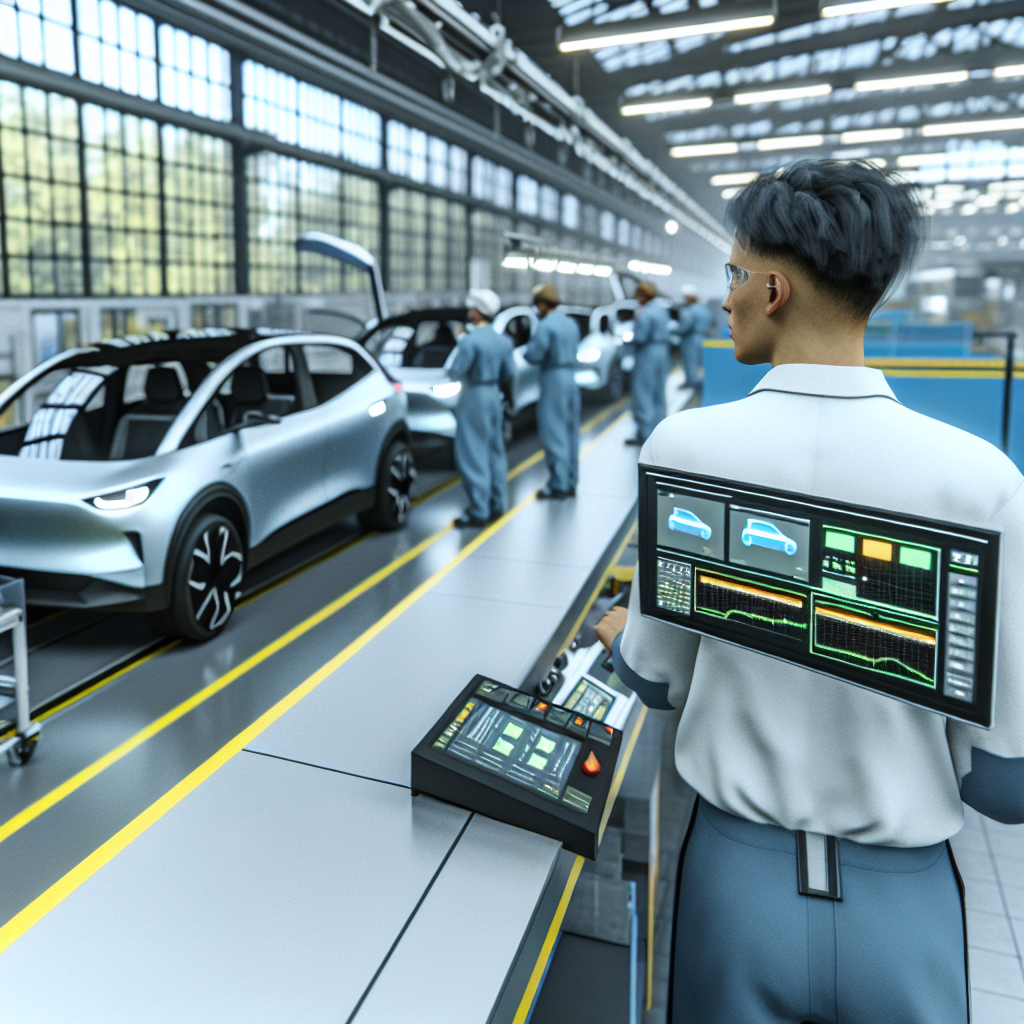
The Featured image is AI-generated and used for illustrative purposes only.
Tesla Sales Decline Marks a Shift in Global EV Leadership
This decline underscores a major change in EV dominance, driven in part by the expiration of U.S. federal tax credits for Tesla in late 2024. The company’s cost advantages have weakened, while Chinese brands like BYD, NIO, and XPeng are gaining ground with lower prices and strong regional incentives.
According to TechCrunch, BYD’s total global EV deliveries in 2025 surpassed Tesla’s by over 300,000 units, confirming the scale of this leadership change.
Why Tesla Lost Momentum in 2025
Several key technology and market factors contributed to the Tesla sales decline:
- Loss of federal incentives: U.S. customers lost access to up to $7,500 in credits, affecting affordability.
- Global production delays: Battery supply constraints impacted Fremont and Berlin factories in Q3 2025.
- Intensified competition: BYD introduced five new EV models priced under $30,000.
- Software update criticism: Tesla’s FSD (Full Self-Driving) updates in late 2025 drew backlash for performance inconsistencies.
These developments highlight how cross-border technology strategy and localized market adaptation now play a critical role in EV success.
Impact on Tesla’s Technology Strategy
Tesla’s 2026 strategy may involve accelerating third-party partnerships to rebuild momentum. Industry experts expect more open-source collaboration and licensing of Tesla’s Dojo chip platform to AI firms. CEO Elon Musk has also hinted at expanding production of the Tesla Bot and focusing more on robotics than automotive exclusivity in early 2026 interviews.
Developers and tech suppliers familiar with Tesla’s energy platform can anticipate open APIs and integration opportunities as the company refocuses on scalable clean technology ecosystems.
BYD’s Rise: A Case Study in Regional Tech Scaling
BYD’s ascent offers a clear example of successful tech scaling across regions. In 2025, BYD exported to over 60 global markets, deploying tailored software in vehicles for region-specific compliance and UX optimization. Their reliance on Blade Battery technology also gave them a distinct edge in safety and durability testing.
Unlike Tesla, BYD invests heavily in local R&D centers. For instance, its European design hub in Stuttgart launched custom firmware updates quarterly, allowing fast iteration. This agility appeals to international markets, especially in Latin America and Southeast Asia, where demand grew 37% YoY in Q4 2025.
Lessons for Tech Companies in 2026
Tesla’s sales decline offers a valuable roadmap for tech firms navigating global competition in 2026:
- Adapt software to market contexts: Global tech success now demands localized development.
- Balance innovation with affordability: Premium tech must align with shrinking subsidies.
- Sustain hardware-software integration: Streamlined updates and support matter post-sale.
Companies investing in regional customization, agile updates, and resilient supply chains are positioned to thrive in this changing landscape.
Outlook for Tesla and the EV Sector in 2026
Despite its 2025 setback, Tesla remains a major technology player. Analysts predict a possible rebound in late 2026 if Tesla prioritizes affordability, renews credit eligibility through policy lobbying, and focuses on AI-driven tech evolution.
More broadly, the EV industry continues to evolve into a software-centric, global ecosystem. Companies that blend advanced technology with localized strategy are set to lead the charge throughout 2026 and beyond.
Conclusion: What This Means for Tech Decision-Makers
- Tesla sales fell 9% in 2025, marking a second annual decline.
- BYD became the world’s top EV seller through local tech adaptation.
- Future EV leadership depends on software agility, partnerships, and price strategy.
For developers, AI leaders, and EV startups, now is the time to evaluate localization frameworks, build cross-border APIs, and explore hardware-software co-design. Firms aiming to scale innovation should begin strategic pivots before Q3 2026 to remain competitive.
Considering a response to the Tesla sales decline? Collaborate with international R&D teams and explore smarter pricing models built on embedded AI integrations.

