


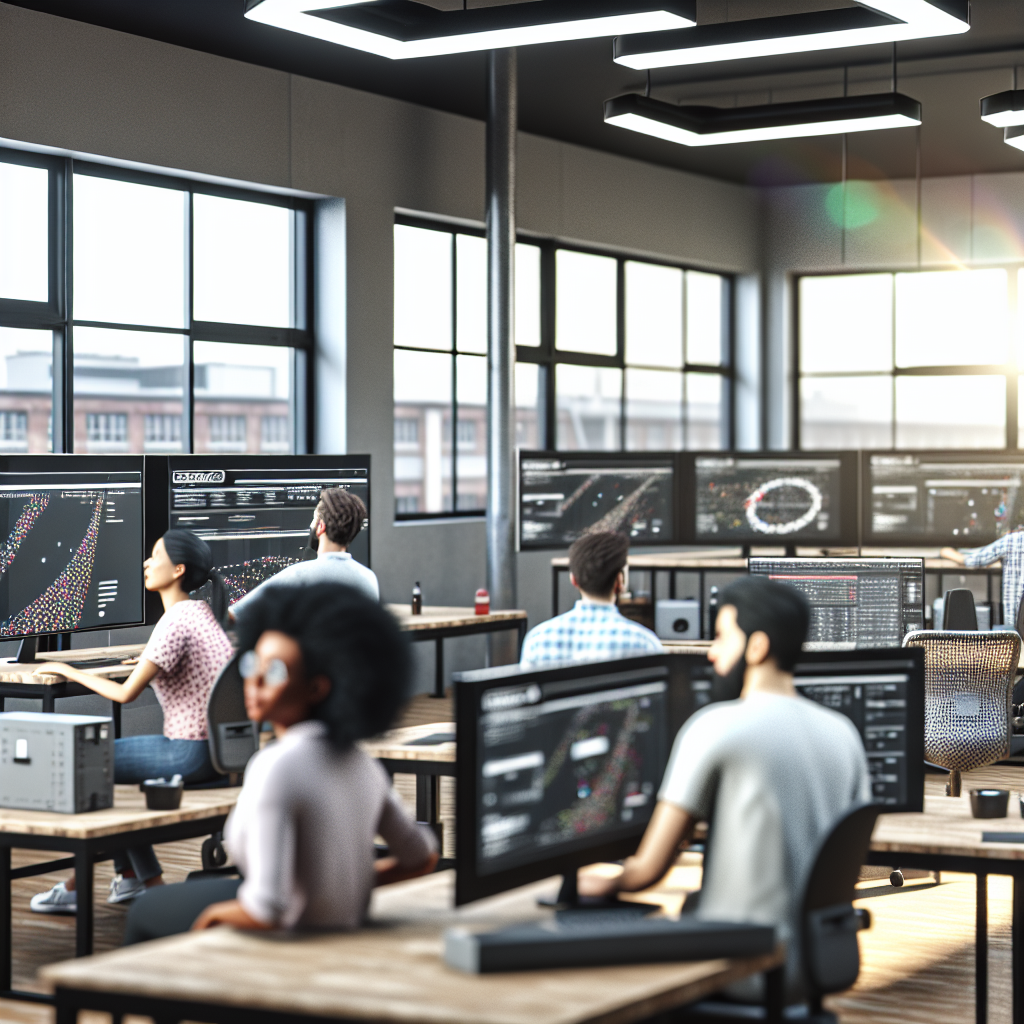
Logistics startups are driving radical change across global manufacturing and materials flows in 2026.
The Featured image is AI-generated and used for illustrative purposes only.
Why These Logistics Startups Matter in 2026
At TechCrunch Disrupt’s Startup Battlefield 200, 16 standout logistics and manufacturing startups earned top slots for revolutionizing supply chain transparency, automation, and sustainability. These companies address major supply chain issues that accelerated during late 2025: rising material costs, labor shortages, and the need for AI-powered forecasting.
Industry trends show a 37% increase in funding for logistics tech platforms in Q4 2025, driven by demand for efficiency and resilience (CB Insights, 2025). Each of these startups offers a unique approach—ranging from robotics to recycled materials optimization.
Top Logistics Startups Leading This Year’s Battlefield
The selected logistics startups are contributing innovations that go beyond traditional tracking or freight solutions. Many apply artificial intelligence and machine learning to predict demand, optimize inventory, and reroute shipping lanes in real time.
- FleetRover AI – Uses neural network-based route planning to help logistics firms cut fuel costs up to 23%.
- SyntraLoad – A machine learning SaaS that matches freight availability with unused capacity, reducing deadhead mileage by 40% in pilot trials.
- ManuMatrix – Offers predictive maintenance tools for manufacturers using sensor data and intelligent modeling.
These solutions reflect the increasing convergence between logistics and real-time automation platforms.
How Manufacturing Startups Are Solving Urgent Challenges
Manufacturing innovation in the Startup Battlefield focused heavily on intelligent systems that speed up production without sacrificing quality. Startups like MecraForge and TactiLine deploy computer vision and collaborative robotics to inspect and handle materials with human-like precision.
This trend aligns with the Gartner 2025 prediction that 60% of medium-size factories will use robotic systems for material operations by the end of 2026. Lean manufacturing is evolving into smart manufacturing thanks to these startups’ platforms.
Materials Startups Focusing on Circular Economy and AI Modeling
Materials startups at the event gained attention for making significant strides in sustainable development. For example, ReMFG Labs uses AI algorithms to classify scrap materials—boosting recycling effectiveness by 55% in early 2025 pilots. Others, like NanoLift, use simulation software to create stronger, lighter-weight nanomaterials for aerospace use.
These efforts align with EU regulations on sustainable packaging and U.S. incentives around eco-focused R&D heading into 2026. Materials platforms now rely heavily on data processing and predictive modeling, creating valuable crossover with traditional software ventures.
Logistics Startups vs Traditional Supply Chain Models
Compared to traditional logistics vendors, these startups offer agility, real-time analytics, and lower onboarding costs. Cloud-native features allow seamless scaling, especially for mid-sized operators aiming to digitize within Q1 2026.
Traditional systems often require costly hardware and licensing. In contrast, platforms like FloSynch provide API-first logistics software that integrates with ERP tools already in use at smaller factories. This modular flexibility is key for adoption in emerging markets and rural hubs.
The Future of Logistics Startups in 2026 and Beyond
Experts anticipate increased investment in closed-loop logistics systems and AI-enhanced warehouse automation. With the global logistics software market expected to exceed $35 billion by 2027 (IDC, 2025), startups that prioritize interoperability and energy efficiency may gain dominant market share.
As robotics, machine learning, and sustainable materials continue to intersect, logistics startups will reshape industry norms faster than legacy systems can adapt. Tech-forward manufacturers and supply chain leaders should actively scout these Battlefield 200 winners for potential partnerships or early adoption pilots.
Conclusion: Key Takeaways and Next Steps
- Startups in the logistics sector are transforming supply chains with AI-driven route planning, predictive analytics, and automation.
- Manufacturing innovations revolve around robotics, computer vision, and real-time materials intelligence.
- Materials tech advances sustainability through AI classification, nanomaterial engineering, and process optimization.
Tech leaders should explore proof-of-concept trials with these startups in Q1 2026 to stay competitive. Evaluate APIs, AI models, and sustainability metrics before implementing at scale. Monitoring Battlefield alumni success can offer strategic insights into where logistics and manufacturing are heading this year.

