
Introduction: Why ChatGPT Matters for Students
ChatGPT has quickly become one of the most widely discussed tools in modern education. Developed by OpenAI, the AI-powered chatbot is increasingly used by students to understand complex topics, prepare for exams, and improve writing skills. As schools and universities adapt to digital-first learning, tools like ChatGPT are reshaping how students access information and study independently.
For students, the appeal is straightforward. ChatGPT provides instant explanations, personalized responses, and 24/7 availability, making it a powerful supplement to traditional textbooks and classroom teaching. At the same time, its rise has sparked debates around academic integrity, overreliance on AI, and the need for responsible use. Understanding both its strengths and limitations is essential for students navigating today’s education landscape.
How ChatGPT Helps Students Learn More Effectively
One of the biggest advantages of ChatGPT for students is its ability to break down complex concepts into simple language. Whether a learner is struggling with algebra, coding fundamentals, or historical events, the tool can explain topics step by step at an appropriate level. This makes it especially useful for self-paced learning.
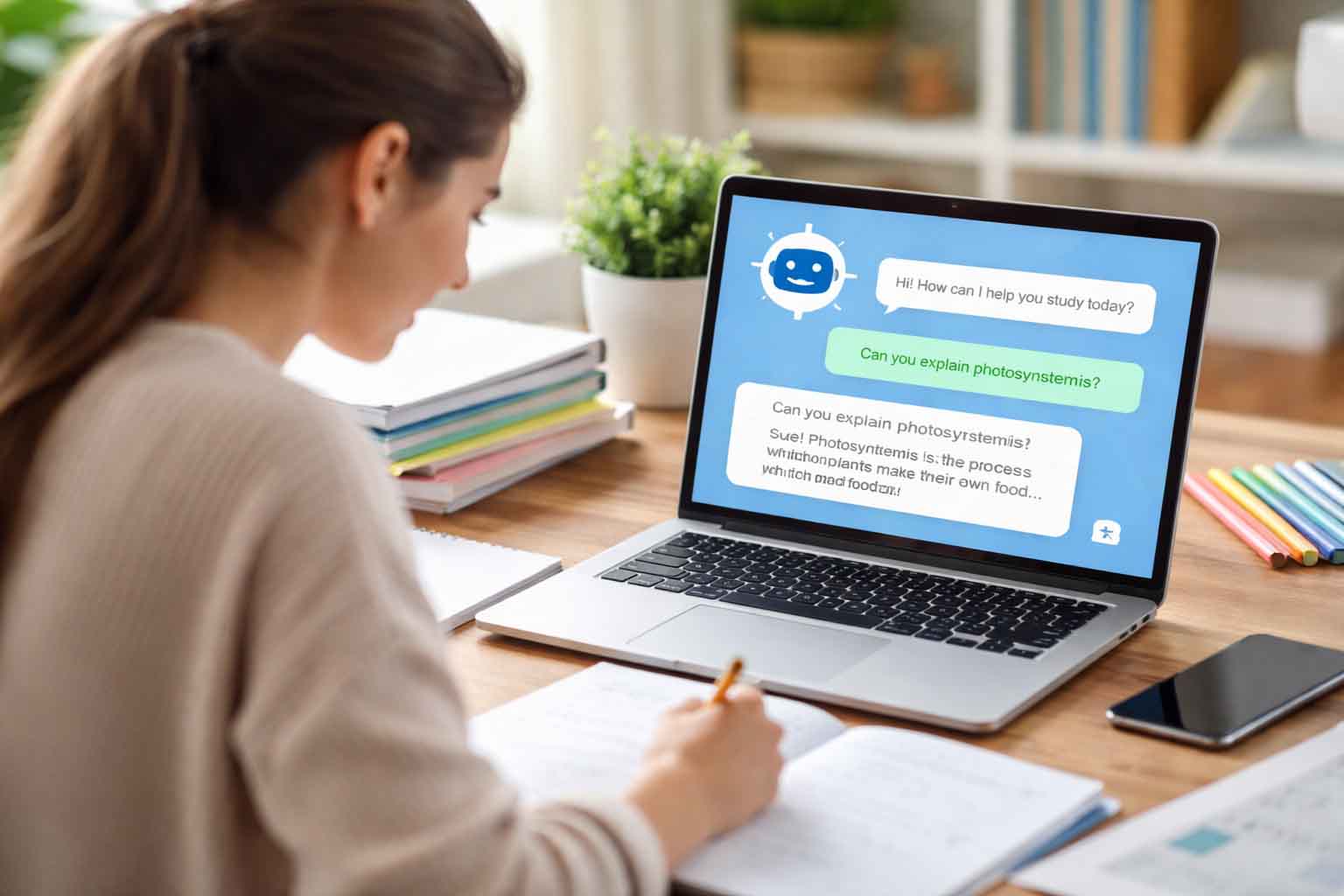
ChatGPT also functions as a study companion. Students can ask follow-up questions, request examples, or explore alternative explanations until a concept becomes clear. Unlike static resources, the conversational format allows learners to guide the depth and direction of study, which can improve comprehension and retention.
Another key benefit is accessibility. Students in remote areas or those without access to tutoring can use ChatGPT as a cost-effective learning aid. While it does not replace teachers, it can fill gaps by offering immediate academic support when human help is unavailable.
Common Use Cases of ChatGPT for Students
Homework and Assignment Support
ChatGPT is often used to clarify homework questions or outline approaches to problem-solving. Rather than simply providing answers, students can ask for explanations, formulas, or reasoning methods. When used responsibly, this helps reinforce learning instead of shortcutting it.
Exam Preparation and Revision
For exam prep, students use ChatGPT to summarize chapters, create practice questions, or test their understanding through quizzes. The ability to generate concise revision notes is particularly helpful when managing large syllabi.
Writing and Communication Skills
Many students rely on ChatGPT to improve essays, reports, and emails. The tool can help structure arguments, refine grammar, and suggest clearer wording. This is especially beneficial for non-native English speakers working to improve academic writing.
Coding and Technical Learning
Students learning programming often use ChatGPT to understand syntax, debug errors, or explore algorithms. While it should not replace hands-on practice, it can accelerate learning by explaining concepts in plain language.
Benefits of Using ChatGPT in Education
The most notable benefit of ChatGPT for students is personalization. Unlike traditional classroom instruction, which follows a fixed pace, AI adapts to individual learning needs. Students can ask unlimited questions without fear of judgment, encouraging curiosity and experimentation.
Time efficiency is another advantage. ChatGPT can quickly summarize readings or provide targeted explanations, helping students focus on high-priority topics. This is particularly useful during exam seasons when time management is critical.
Finally, ChatGPT promotes independent learning. Encouraging students to explore topics on their own, it supports the development of research skills and self-directed study habits that are valuable beyond formal education.
Limitations and Risks Students Should Know
Despite its benefits, ChatGPT is not without limitations. The AI can sometimes provide incomplete or incorrect information, especially on niche or highly specialized topics. Students must verify facts using trusted academic sources rather than relying solely on AI-generated responses.
Academic integrity is another major concern. Many institutions have strict policies on AI usage, and submitting AI-generated work as one’s own can lead to penalties. Students must understand where assistance ends and misconduct begins.
There is also the risk of overdependence. Relying too heavily on ChatGPT may weaken critical thinking and problem-solving skills. Education experts emphasize that AI should support learning, not replace effort, practice, and human guidance.
Responsible Use of ChatGPT for Students
To use ChatGPT effectively, students should treat it as a study aid rather than an answer generator. Asking “how” and “why” questions encourages deeper understanding compared to requesting direct solutions.
Cross-checking information is essential. Students should validate responses with textbooks, peer-reviewed sources, or teacher guidance to ensure accuracy. This habit not only prevents errors but also strengthens research skills.
Finally, transparency matters. When allowed, students should disclose AI assistance in assignments. This aligns with emerging academic guidelines and promotes ethical use of AI in education.
The Future of ChatGPT in Student Learning
As AI technology evolves, tools like ChatGPT are likely to become more integrated into education systems. Schools may adopt AI tutors, personalized learning platforms, and AI-assisted assessment tools. For students, this means greater access to customized learning experiences.
However, educators and policymakers continue to emphasize balance. Human teachers remain central to education, providing mentorship, evaluation, and emotional support that AI cannot replicate. ChatGPT’s future role is best seen as complementary, enhancing learning rather than replacing traditional methods.
Conclusion: Is ChatGPT Good for Students?
ChatGPT for students represents a significant shift in how learning resources are accessed and used. When applied responsibly, it can improve understanding, save time, and support independent study. At the same time, students must be aware of its limitations, institutional rules, and ethical considerations.
Used wisely, ChatGPT can be a powerful ally in education, helping students navigate complex subjects and develop stronger learning habits. The key lies in balance—leveraging AI for support while maintaining critical thinking, originality, and academic integrity.
Disclosure: This article may contain affiliate links. We may earn a commission when you click links or make purchases, at no additional cost to you.

